
Jungle Garden Design: Planning Your Tropical Escape
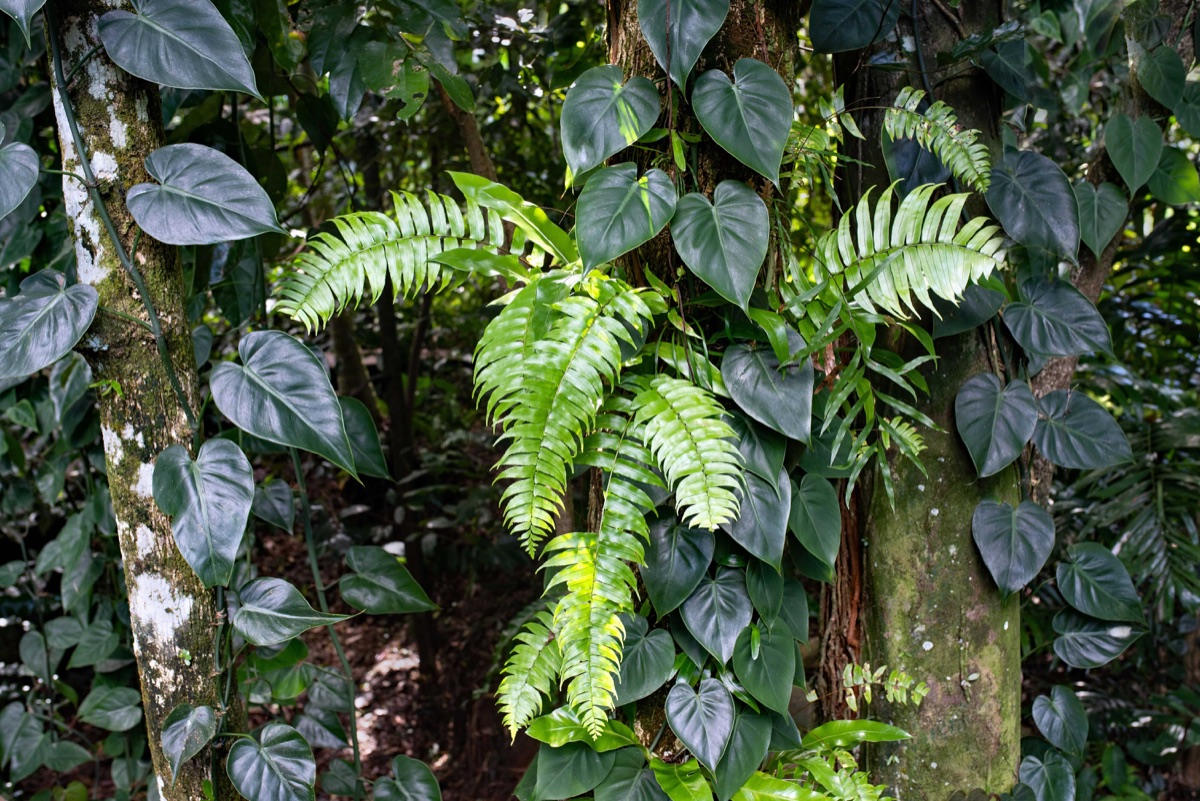
Imagine stepping into your garden and being transported to a lush jungle paradise. With the right jungle garden design, you can create a space filled with rich greenery, vibrant blooms, and a private retreat right outside your door.
That is exactly what my clients, a lovely young couple, envisioned when they asked for my help. They lived in a quirky maisonette with a small but promising garden. While their home had been beautifully renovated, the outdoor space was another story. The garden was bare, overlooked, and lacking privacy. One side had a brand-new fence, but the other had a flimsy, short barrier that did little for security or seclusion. To top it off, a patchy, tobacco-coloured back wall gave the whole space a neglected feel.
But with the right jungle garden design in place, even the most uninspiring garden can be transformed into something spectacular.
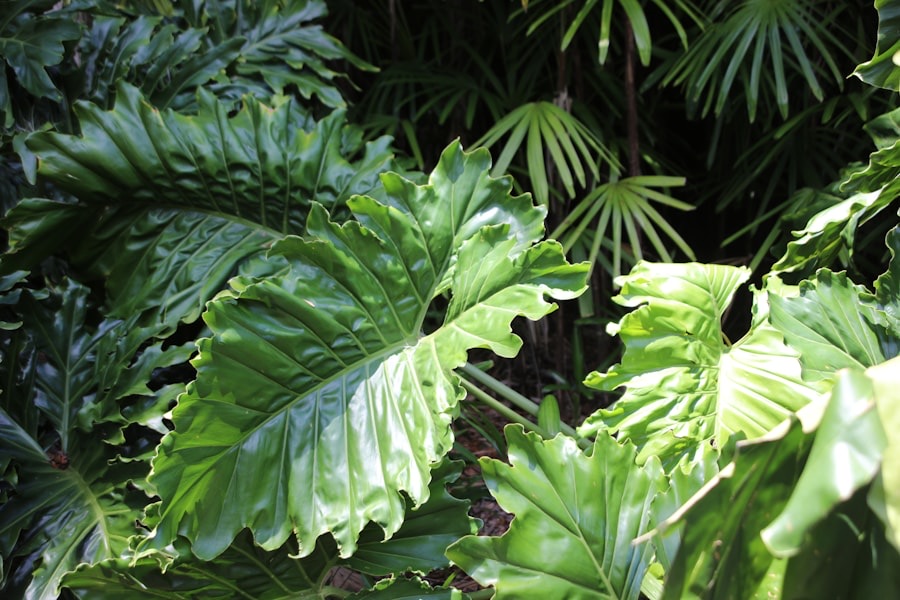
Can You Have a Jungle Garden in the UK?
Absolutely. Jungle garden design is one of the most exciting things you can do with a UK garden, and it works far better than most people expect.
The key is choosing plants that deliver the look of the tropics while being hardy enough to survive British winters. Many of the most dramatic jungle-style plants are fully or borderline hardy in most parts of England, including Fatsia Japonica, Cordyline, Trachycarpus Fortunei, Phormium, tree ferns and hardy Gunnera. With a little thought about plant selection and positioning, a lush, year-round jungle garden is completely achievable here.
The south and west of England, including Gloucestershire and the Cotswolds, benefit from relatively mild winters, which gives even more options for bold, exotic planting.
How to create a jungle garden: a step-by-step guide
1. Assess your conditions
Before choosing any plants, spend time understanding your garden. How much sun does it get, and when? Is the soil free-draining or does it hold moisture? Are there sheltered spots near walls or fences that would suit less hardy plants?
Jungle garden design works in all conditions: full sun, partial shade, and even quite deep shade. The plant selection just needs to suit what you have. Shaded gardens are often the most dramatic, as many of the best jungle plants are naturally shade-loving.
2. Create structure with height and layers
The defining quality of a jungle garden is its layered density. Think tall structural plants at the back and edges, mid-height shrubs in the middle, and lower ground-covering ferns and hostas at the front. This layering is what creates that enclosed, immersive feeling.
Raised beds are particularly useful for achieving instant height and giving plants excellent drainage. Black-painted railway sleepers give a clean, modern edge that contrasts beautifully with lush green planting.
3. Choose your plants carefully
Hardy, bold-leaved evergreens are the backbone of any good jungle garden design. Aim for a mix of textures: spiky cordylines alongside broad-leaved fatsia, feathery ferns beneath a palm canopy. Year-round interest comes from keeping at least 80% of your planting evergreen.
4. Add privacy screening
One of the great bonuses of jungle garden design is that the planting itself becomes your privacy screen. Tall bamboo, phormiums, and dense shrubs positioned on boundaries create natural seclusion far more attractive than a plain fence.
5. Think about the view from indoors
A jungle garden should look beautiful from the kitchen window as well as from outside. Position your most dramatic plants where they will be framed by windows, and consider how the garden will look in winter when deciduous plants have died back.
Planning the perfect jungle garden design
Creating a jungle garden is not just about packing in as many plants as possible, tempting as that may be. It requires careful thought, especially when space, light, and growing conditions present challenges.
In this case, the garden was mostly shaded and built on a concrete base, meaning plant selection had to be spot-on. Plus, with the kitchen sink and bedroom window overlooking different parts of the garden, we wanted to ensure that every view was a beautiful one.
The couple also had a bright yellow table, chairs, and a small bench they were keen to incorporate, which was fantastic for adding a splash of colour among all that lush greenery. And since there were no pets or children to consider, we could focus purely on creating a tranquil, stylish retreat for adults to enjoy.
The stunning transformation
The result? A total garden glow-up.
Raised Beds with a Modern Twist We built large, angled raised beds using black-painted railway sleepers. Not only did they add height and structure, but they also provided the perfect stage for a tropical-style planting scheme.
Softening the Space with Colour That tired old wall? Now a soft, dusky pink, beautifully topped with stylish capping stones. A new, taller fence was also installed for much-needed privacy and security.
Lush, Low-Maintenance Planting A jungle garden should feel abundant, but that does not mean it has to be high maintenance. We filled the space with hardy evergreens, including Fatsia Japonica, Phormiums, Trachycarpus Fortunei, Ferns, Cordylines, Acer Trees, Gunnera, Canna Lilies, and a contained non-invasive Bamboo, all chosen for year-round impact with minimal upkeep.
Best plants for a jungle garden in the UK
Fatsia Japonica
One of the most reliable jungle garden plants available in the UK. Fatsia is fully hardy, thrives in shade, and produces enormous glossy hand-shaped leaves that instantly deliver that exotic feel. It is evergreen, fast-growing, and produces white globe flowers in autumn. An essential backbone plant for any jungle garden design.
Cordyline Australis
Cordylines are architectural, dramatic, and surprisingly tough. The classic green Cordyline Australis slowly develops a trunk over time, giving genuine height and structure. Varieties such as Red Star offer deep burgundy foliage for contrast. Cordylines handle shade and coastal exposure well and are a staple of UK jungle gardens.
Trachycarpus Fortunei (Chusan palm)
The hardiest palm available for UK gardens. Trachycarpus Fortunei is fully hardy across most of England and produces the unmistakable fan-shaped fronds that immediately say “tropical”. Even a young palm makes a dramatic statement, and a mature specimen is genuinely spectacular. Give it a sheltered spot in its first year or two while it establishes.
Tree fern (Dicksonia Antarctica)
For pure jungle atmosphere, nothing beats a tree fern. Their prehistoric appearance and arching fronds create instant drama. They prefer a sheltered, shaded spot and moist soil. In colder parts of the UK, the crown can be packed with straw over winter, but in milder areas like Gloucestershire they generally cope well without protection.
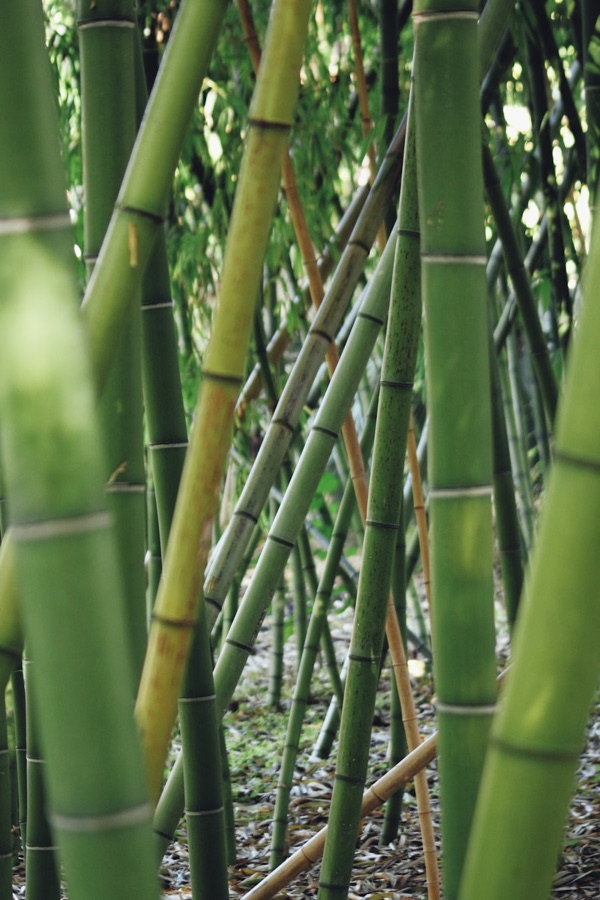
Bamboo (non-invasive varieties)
Bamboo adds movement, sound, and height to a jungle garden. Always choose a clump-forming rather than running variety to avoid it spreading uncontrollably. Fargesia varieties are the safest choice for UK gardens. Bamboo is particularly effective as a privacy screen along boundaries and grows quickly to give instant impact.
Gunnera Manicata
For the boldest statement in a jungle garden, Gunnera is hard to beat. Its enormous leaves, which can reach well over a metre across in a good growing season, are genuinely prehistoric in scale. It needs moisture and space, so it suits a larger garden or a damp corner. The leaves die back in winter but the crown is frost-hardy with a little mulching.
Hardy ferns
Ferns provide the lush, green underplanting that ties a jungle garden together. Tree ferns add height, but lower-growing varieties like Hart’s Tongue, Soft Shield Fern, and Japanese Painted Fern create the carpet of greenery at ground level that makes a jungle garden feel complete.
Key lessons from this jungle garden design
Whether you are working with a small city garden or a larger space, the principles remain the same:
- Assess your light: shade-loving plants are your best friends in north-facing or overlooked gardens.
- Layer your planting: mix tall structural plants with mid-level shrubs and ground-covering ferns for depth.
- Think about privacy: strategic planting and fencing can make even an overlooked space feel like a private haven.
- Choose bold colours carefully: in a green-heavy jungle garden, splashes of colour stand out beautifully.
- Go for year-round interest: choose mostly evergreens so your jungle garden looks good in every season.
Jungle garden design: frequently asked questions
Can I create a jungle garden in a small garden? Yes. Some of the most impressive jungle gardens are small. The key is scale: use one or two large statement plants rather than many small ones, and use raised beds and vertical planting to create the sense of density. A small, well-planted jungle garden can feel far more immersive than a large sparse one.
How much does a jungle garden cost? Costs vary depending on the size of the space and the maturity of plants chosen. Buying smaller plants and allowing them to grow is the most budget-friendly approach. A modest jungle border can be created for a few hundred pounds in plants, while a full garden transformation including raised beds, new fencing, and specimen plants will be a larger investment. I am always happy to advise on the best approach for your budget.
Do jungle garden plants survive winter in the UK? Most of the plants recommended above are hardy across the majority of England. A few, such as Canna Lilies and Gunnera, benefit from some winter protection, but the backbone plants (Fatsia, Cordyline, Trachycarpus, Ferns, Bamboo) are reliably hardy. In sheltered gardens in Gloucestershire and the Cotswolds, even less hardy exotics often survive without any protection at all.
How much maintenance does a jungle garden need? Less than you might think. Once established, most jungle garden plants are low maintenance. The main tasks are removing dead lower leaves from cordylines and palms, cutting back ferns in early spring, and keeping bamboo contained. There is no lawn to mow, no bedding plants to replace each season, and no complex pruning regime.
Ready to create your own tropical retreat? Get in touch for a free chat and quote →
Inline photos by Dawn McDonald and James Lee on Unsplash