
A Guide to Thriving in Shade: 5 Plant Recommendations
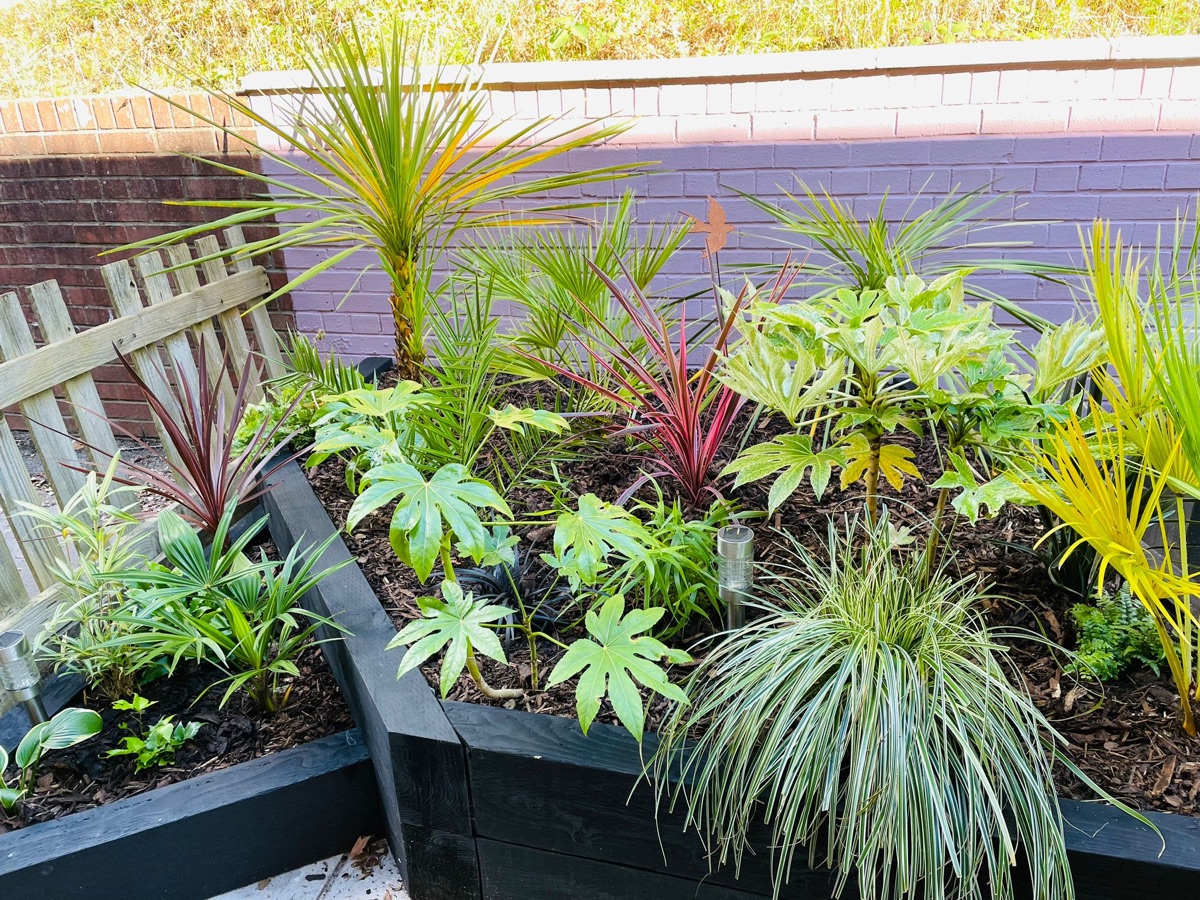
Not everyone is blessed with a sun-drenched garden. Perhaps yours doesn’t bask in sunlight all day, or maybe your house casts a long shadow across it. High walls, fences, or neighbouring buildings might also block precious rays. Even if most of your garden enjoys the sun, there might be a perpetually shady corner.
If you’re feeling discouraged by the lack of sunlight, fear not! There are countless shade-loving plants that will thrive in your garden, adding beauty and vibrancy even in the deepest shadows. Here are my top 5 picks.
1. The versatile fern
The hardy fern is a versatile choice for any shade garden. This plant comes in a multitude of varieties, each adding its own unique charm. The Lady Fern, with its bracken-like foliage, is a classic and widely recognised option. The Bird’s Nest Fern, however, is a personal favourite, boasting long, wavy-edged fronds that gracefully droop downwards, making it particularly well-suited for planting on embankments.
For a truly striking statement piece, consider the majestic tree fern, though be prepared for a slightly higher investment. As ferns are naturally found thriving on the forest floor amongst trees, they make excellent additions to shady borders. Generally, ferns are hardy plants that can tolerate low-light conditions and thrive in moist but well-drained soil.
2. Cordyline: a shade-tolerant showstopper
Yes, cordyline can grow in shade. It is one of the most rewarding choices you can make for a darker garden border.
Cordylines are far more adaptable than many people realise. While they are perfectly happy in full sun, they handle partial shade and even fairly dense shade with ease, making them ideal for sheltered spots, north-facing borders, or areas tucked beneath a canopy.
The key thing to understand is that cordylines tolerate shade without losing their structure or drama. Unlike many plants that become leggy and weak in low light, cordylines hold their bold, upright form regardless of conditions. That architectural quality is exactly why they work so well in shaded spaces that need a focal point.
Which Cordyline varieties grow best in shade?
- Cordyline Australis: the classic variety with long, sword-shaped green leaves that slowly develops a trunk over time. Very hardy and tolerant of shade.
- Cordyline ‘Red Star’: striking burgundy foliage that holds its colour well even in lower light. One of the most popular choices for shaded UK gardens.
- Cordyline ‘Purple Tower’: deep purple leaves with a strong upright habit. Handles partial shade particularly well.
In general, the green-leaved varieties are the most tolerant of deep shade, while coloured varieties such as Red Star perform best in partial rather than full shade, where they retain the richest colour.
Cordyline care in shaded spots
Cordylines in shade prefer well-drained soil. Waterlogging is their main enemy. If your shaded area is also damp, add grit to improve drainage before planting. They are also largely low maintenance once established, requiring only the removal of old or browning lower leaves as the plant matures.
One word of caution: if planting under trees, be aware that fallen autumn leaves can collect deep in the centre of the plant and be awkward to remove. A quick clear-out each autumn keeps them looking their best.
Cordyline and Phormium together
Cordyline pairs beautifully with Phormium in a shaded mixed border. Phormiums are similar in habit but tend to be a little floppier, which creates a nice contrast alongside the upright stiffness of a cordyline. The tri-colour Phormium, with leaves that shift from dark green through to light green edged in pink, is particularly effective as a companion.
3. Fast-growing Fatsia
This plant thrives exceptionally well in a shady garden. Fatsia Japonica is one of those wonderful plants that looks architectural and exotic but is actually incredibly easy to grow. Its large, glossy, hand-shaped leaves are deeply impressive, and it grows quickly to fill a space. It’s evergreen, so you get year-round structure, and it produces interesting white flowers in autumn.
Fatsia is particularly useful as a large, bold backdrop plant. It holds its own against other planting and looks great alongside ferns and hostas.
4. Hosta: the king of the shade garden
Few plants are as synonymous with shade gardening as the hosta. Available in hundreds of varieties, they range from tiny miniatures to enormous clumps with leaves the size of dinner plates. The foliage comes in every shade of green, blue-green, and yellow-green, often with striking variegation.
Hostas die back completely in winter and re-emerge each spring, which makes them a reliable and low-maintenance choice. The main challenge with hostas is slugs and snails, which love their succulent leaves. Using copper tape around pots or applying nematodes can help keep them at bay.
5. Astilbe: feathery plumes of colour
For a shade plant that also delivers colour, astilbe is hard to beat. Their feathery, plume-like flowers come in shades of pink, red, white, and purple, and they bloom in summer when many shade plants are simply providing foliage.
Astilbes prefer moist conditions. They are perfect for damper, shadier spots that can be tricky to plant. They’re also deer-resistant and attract pollinators, making them a fantastic all-round choice.
Not sure which plants would work best in your garden’s conditions? I’m always happy to advise. Get in touch for a chat →
Many of the shade-loving plants above, including Fatsia, Cordyline, Ferns and Phormium, also form the backbone of a jungle garden design. If you are thinking about a more dramatic transformation, take a look at my jungle garden design guide.